Crawlspace Encapsulation Systems for Structural Protection
Moisture Control Beneath Your Home
Understanding Custom Woodwork in General Contracting
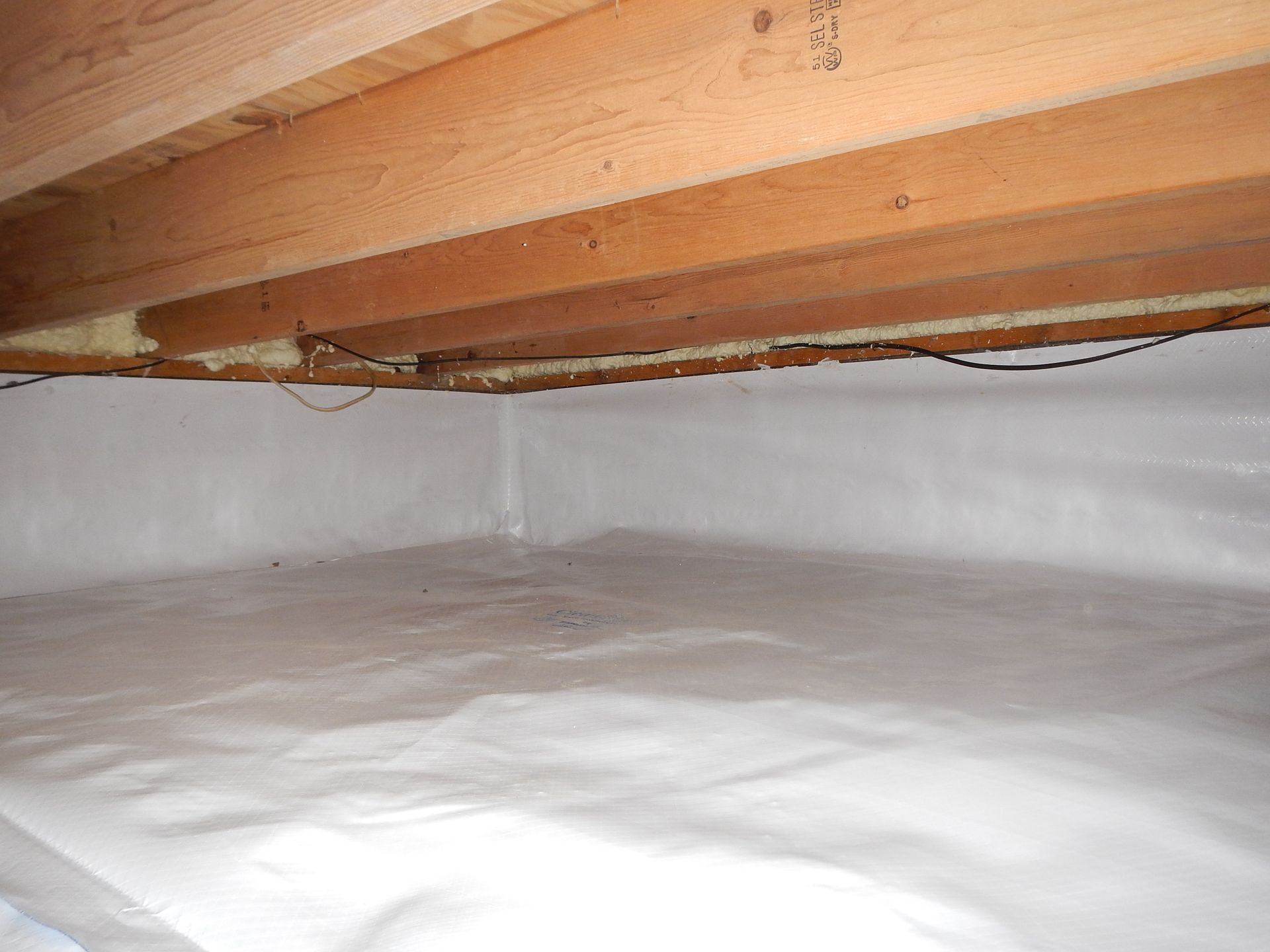
Crawlspace encapsulation is a building science–based method used to isolate the area beneath a home from ground moisture, outside air, and seasonal humidity. In homes throughout Greenwood, crawlspaces are often exposed to damp soil, fluctuating temperatures, and unsealed vents. Over time, these conditions allow moisture to migrate upward into the framing, insulation, and indoor air. Crawlspace Willy´s & Hardscape Solutions approaches encapsulation as a long-term protective measure, not a cosmetic upgrade.
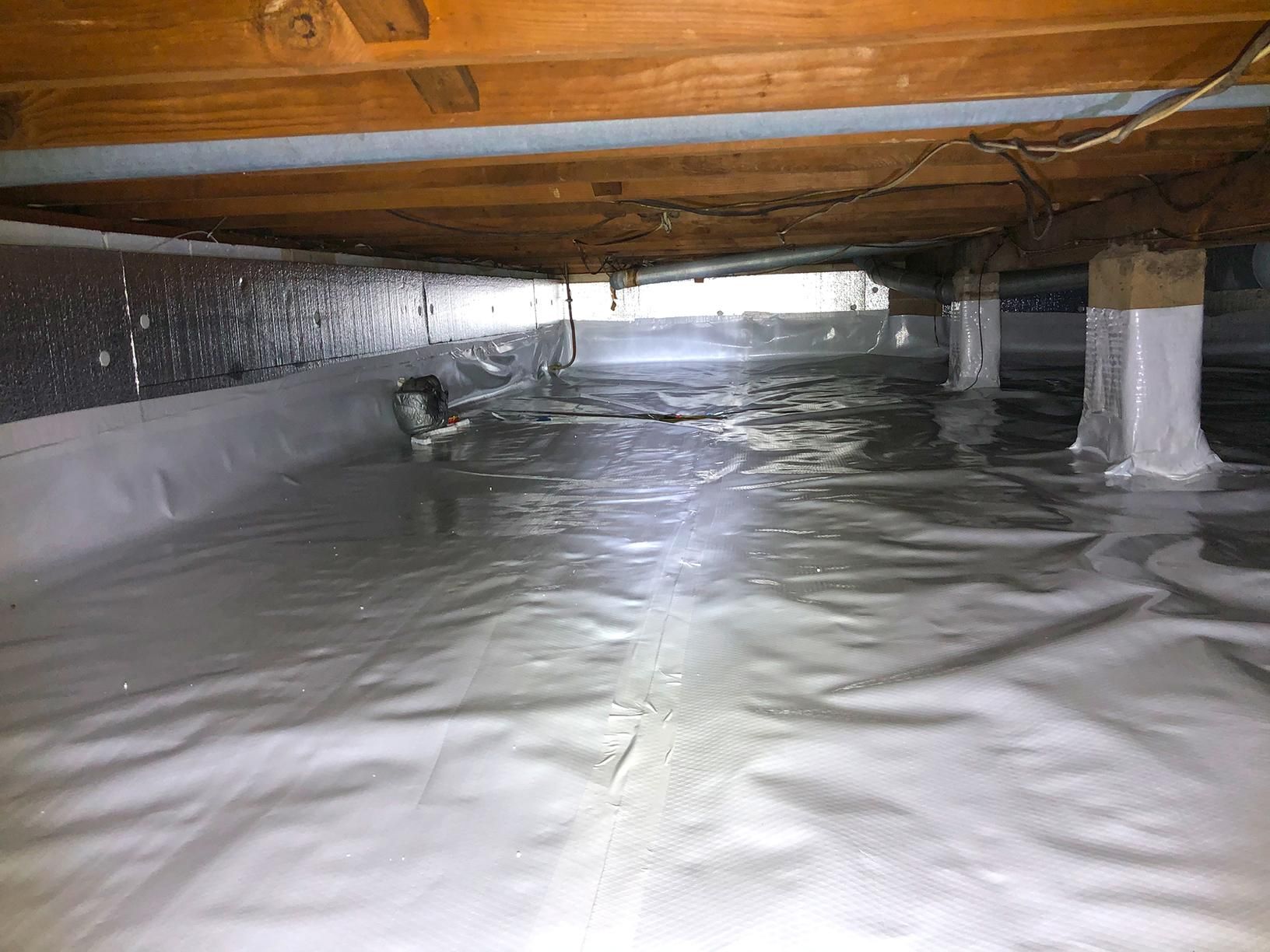
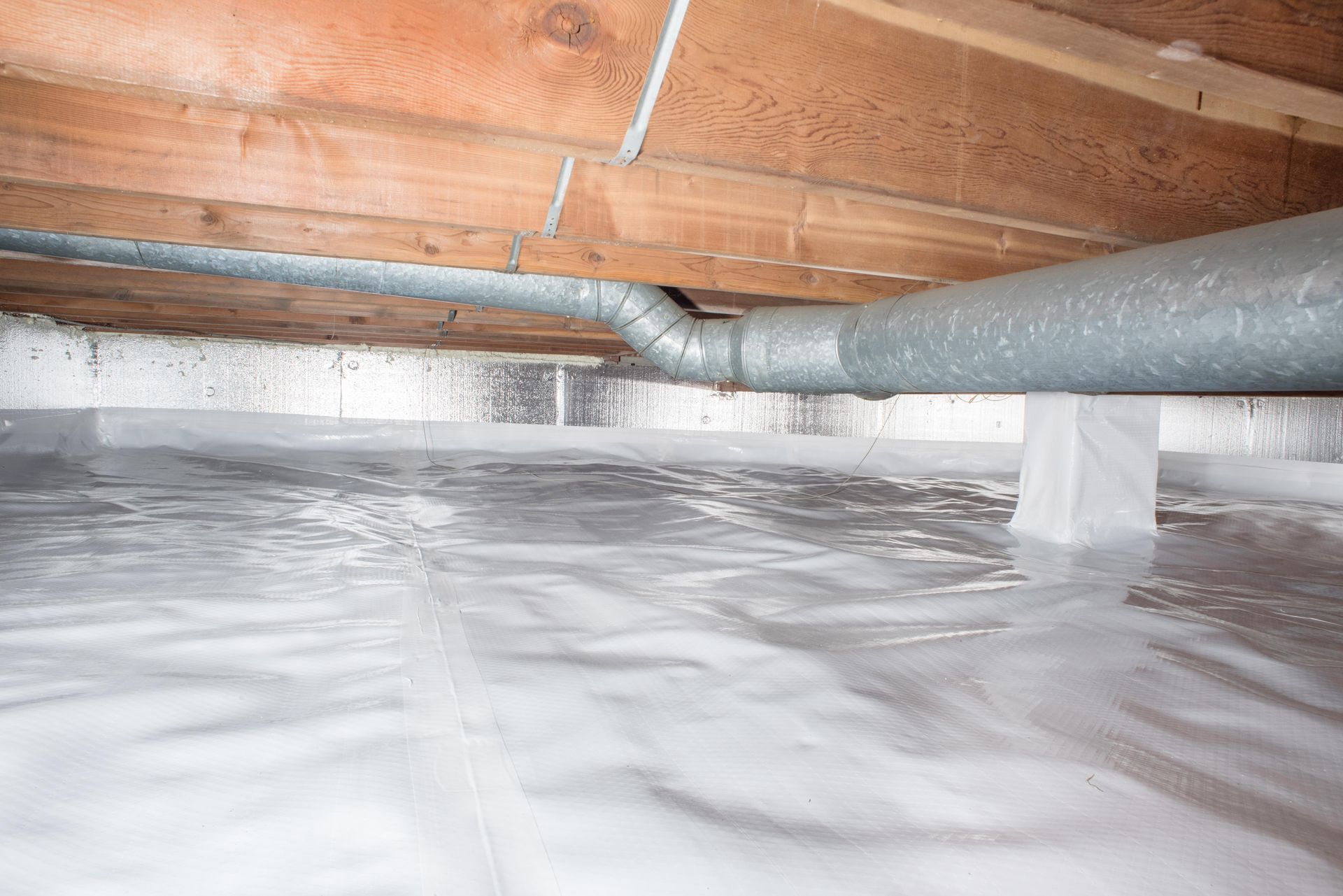
The process typically involves installing a reinforced vapor barrier along the crawlspace floor and walls, sealing vents and gaps, and managing humidity with controlled airflow or dehumidification. By creating a sealed environment, moisture intrusion is reduced at its source. This helps slow wood deterioration, corrosion of mechanical systems, and insulation breakdown that can quietly reduce a home’s lifespan.
From an asset-protection standpoint, encapsulation supports structural stability and indoor air quality. Reduced moisture lowers the risk of mold growth and wood rot, both of which can affect resale value and inspection outcomes. Encapsulation can also contribute to more consistent indoor temperatures by limiting air leakage through the floor system. For homeowners in Greenwood, where climate conditions can stress unprotected crawlspaces, this approach offers a practical way to safeguard the hidden components that support the entire structure.
What Makes Crawlspace Encapsulation Essential
A crawlspace plays a critical role in how a home ages and performs. Encapsulation addresses risks that are often overlooked until damage becomes visible. The approach used by Crawlspace Willy´s & Hardscape Solutions is grounded in durability, code awareness, and climate-specific considerations.
- 🛡️ Moisture isolation: Ground vapor barriers prevent soil moisture from entering framing and subfloor materials.
- 🌡️ Thermal consistency: Sealed crawlspaces reduce temperature swings that stress wood and fasteners.
- 🦠 Air quality protection: Limiting damp air helps reduce conditions that support mold and mildew.
- 🧱 Structural preservation: Drier environments slow rot, rust, and degradation of support components.
- 📄
Long-term value:
Well-maintained crawlspaces can improve inspection results and ownership costs.
Encapsulation is important because it shifts moisture control from reactive repairs to proactive protection. Instead of addressing damage after it occurs, the system works continuously to reduce exposure. For homes in Greenwood, this can mean fewer structural concerns over time and more predictable maintenance planning.
Managing Humidity Below the Living Space
Crawlspace encapsulation should be viewed as part of a broader strategy to protect a home’s foundation and living environment. By controlling moisture below the structure, homeowners reduce stress on framing, HVAC systems, and insulation above it. Crawlspace Willy´s & Hardscape Solutions focuses on methods that align with local building conditions in Greenwood, recognizing that soil composition, humidity levels, and construction styles all influence performance.
A properly encapsulated crawlspace can also support energy efficiency by minimizing unwanted air exchange. When outside air is prevented from entering through vents and gaps, heating and cooling systems operate under more stable conditions. This doesn’t just affect comfort—it reduces long-term wear on mechanical equipment and building materials.
Ultimately, crawlspace encapsulation is about stewardship of a major investment. Homes are complex systems, and issues below the floor often impact areas far beyond the crawlspace itself. Addressing those risks early helps preserve structural integrity, indoor air conditions, and overall property value. To discuss crawlspace encapsulation options for your home in Greenwood, contact Crawlspace Willy´s & Hardscape Solutions
at (302) 204-2626.